Six learning areas · Curriculum
What we teach, how we teach it, and how we know it is working.
Each card below is honest. We share the goal, the method, the project our children love, and the way we assess — never with a single mark on a single day.
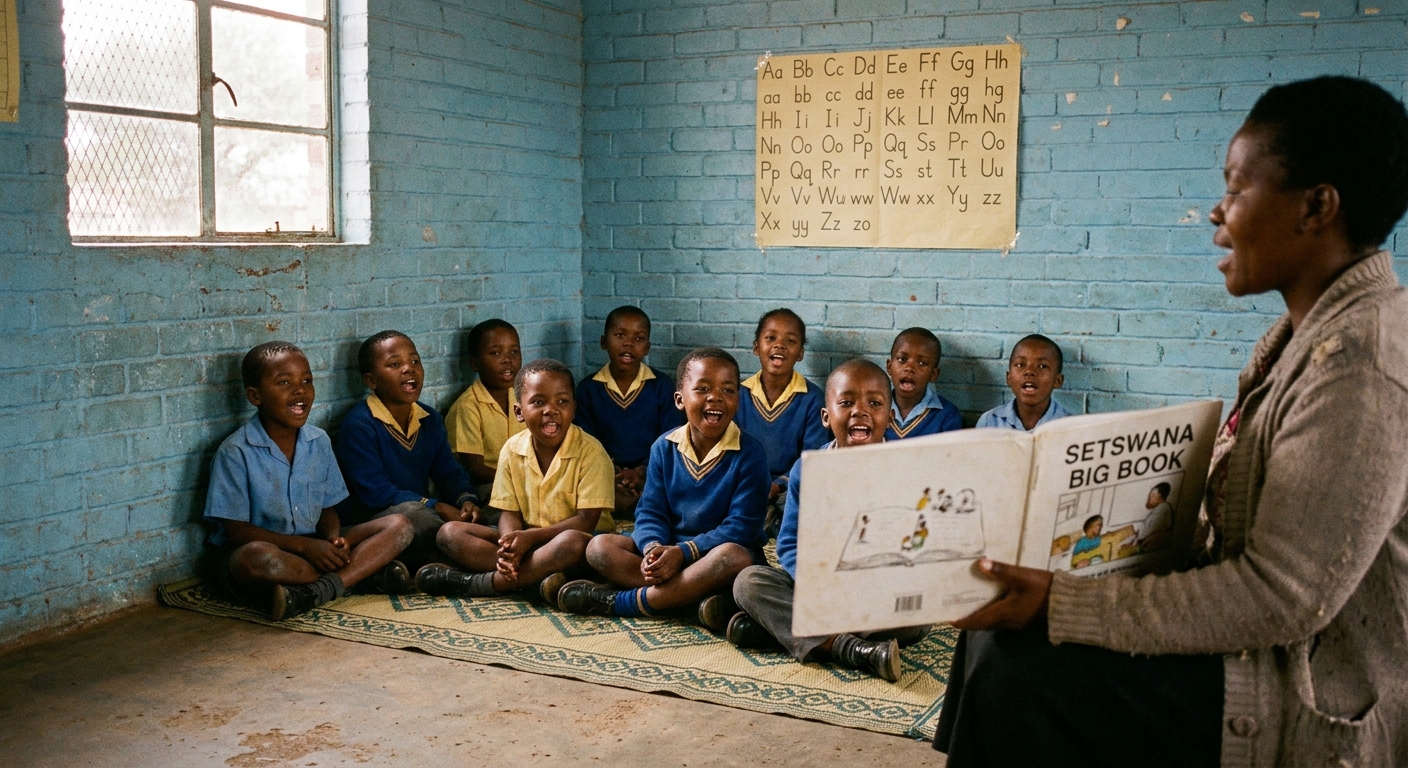
Languages
GoalRead for meaning by Grade 4 — in Setswana and English.
MethodSetswana HL through Foundation, English FAL from Gr 1, English LoLT from Gr 4 with a careful bridging year.
Project"Mother-Tongue Storybooks" — Gr 5 children write and illustrate Setswana folktales for the Foundation Phase.
AssessmentRunning records every fortnight + portfolio + termly written tasks. No surprise tests.
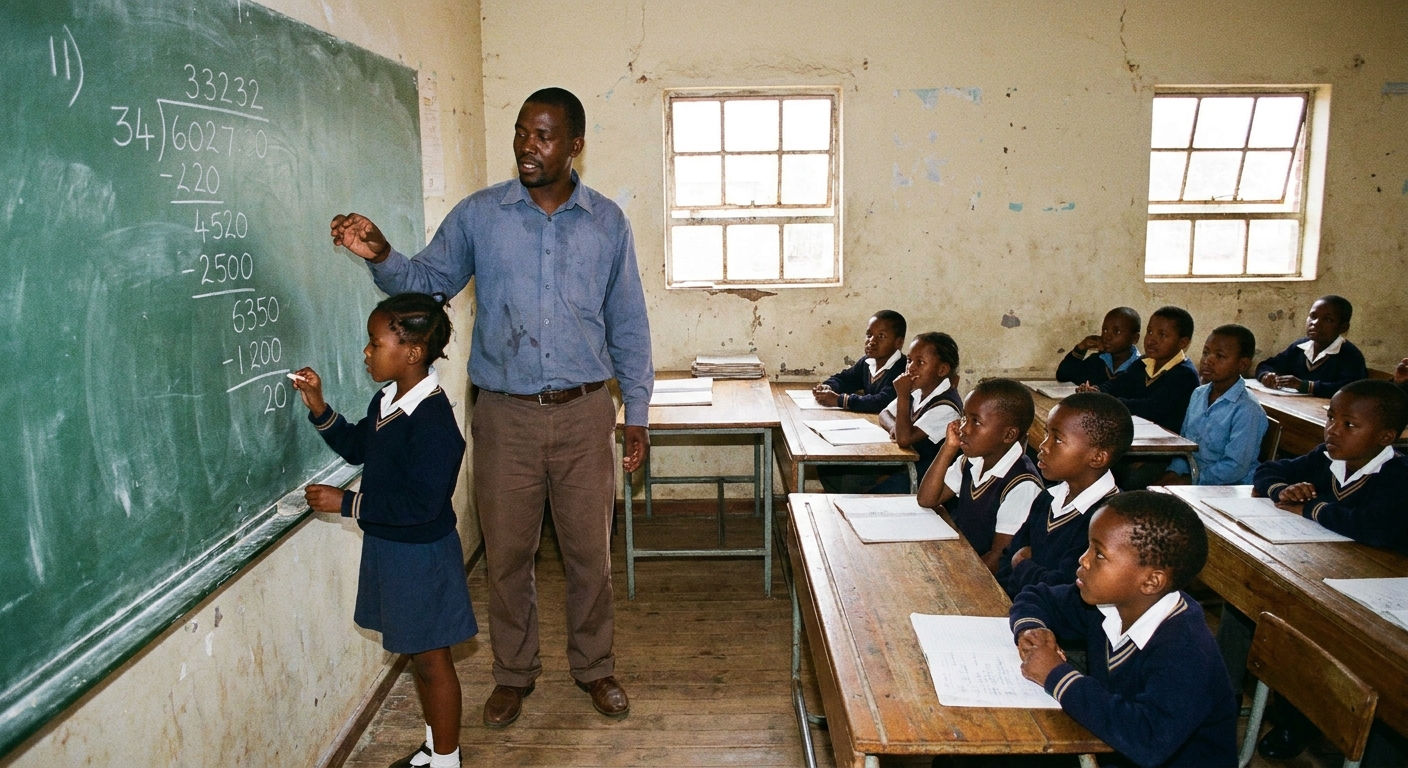
Mathematics
GoalNumber sense over speed — strong fluency by Gr 6, ready for high-school maths.
MethodConcrete → pictorial → abstract. Lots of bottle-tops, beans and stones before the textbook.
Project"Garden Numbers" — children measure, weigh, cost and graph the school garden harvest each term.
AssessmentWeekly mental maths quiz + termly task + open-book problem-solving. Marks shared with parents in person.
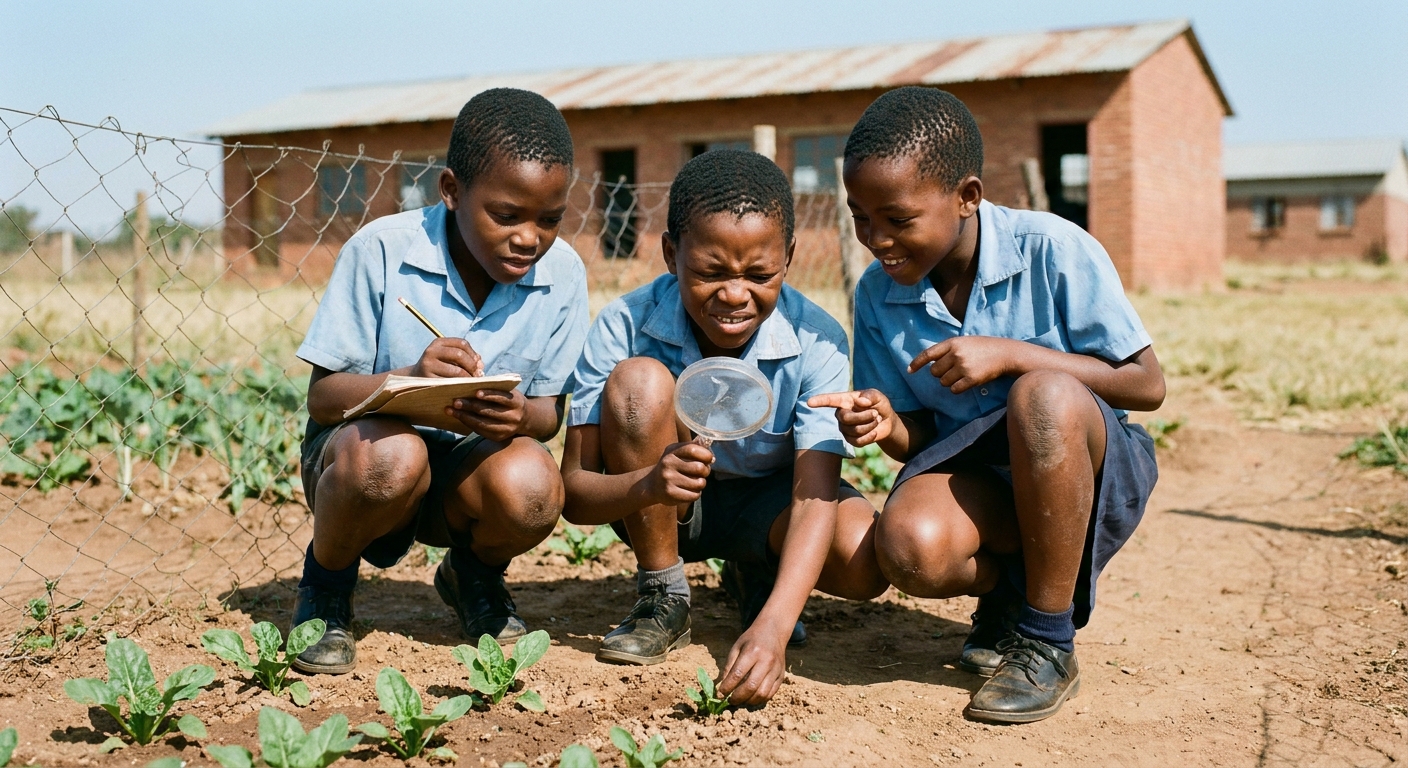
Natural Sciences & Technology
GoalChildren who notice, ask, test and explain — not children who memorise.
MethodInquiry-based, outdoors whenever possible — the farm is our laboratory.
Project"Where does our water go?" — a Gr 6 catchment study mapping the runoff from our roof to the borehole.
AssessmentPractical write-ups, group presentations, and a short termly written test.
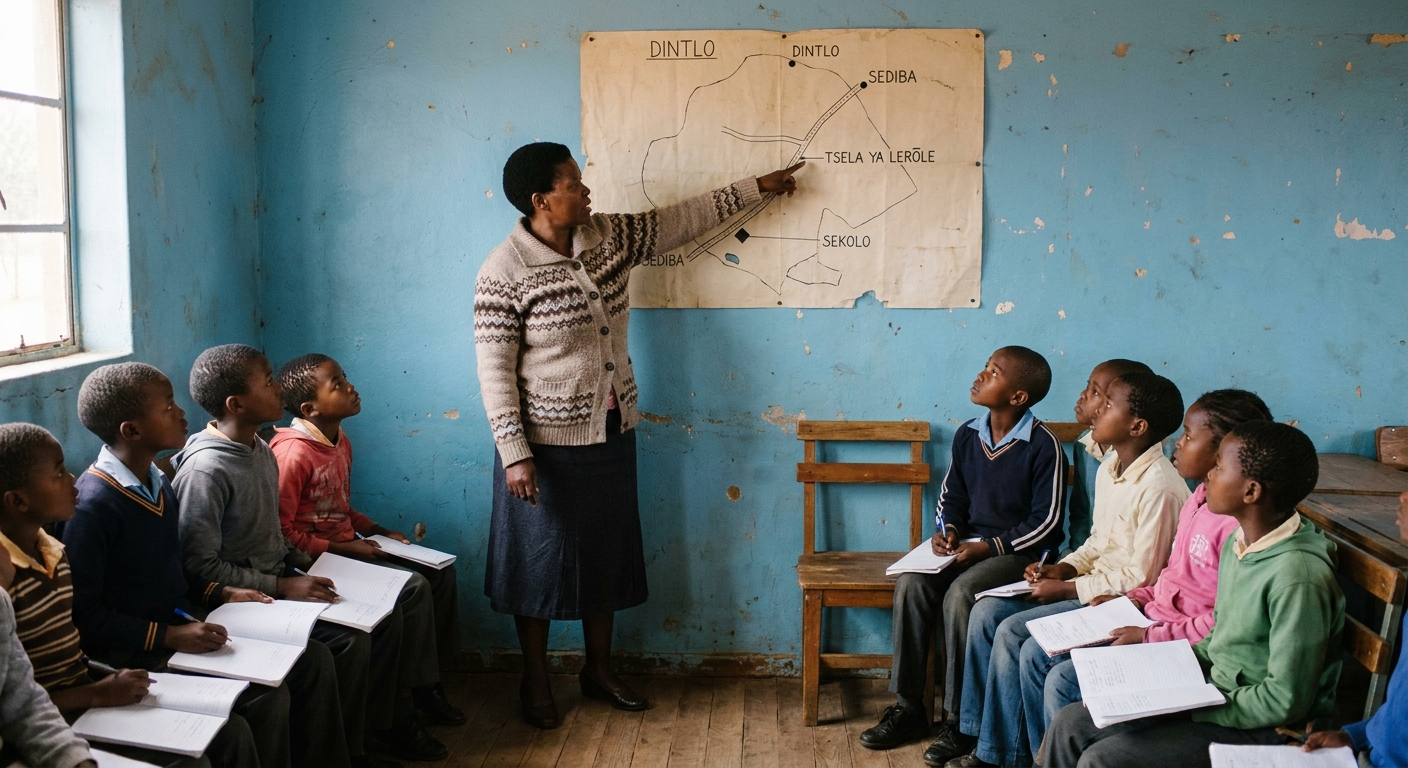
Social Sciences
GoalPride in being from here — and curiosity about elsewhere.
MethodHistory & Geography taught through local case studies first, national context second.
Project"Elders Visit" — Gr 5 interview elders about life on the farm before 1994 and curate a small classroom exhibit.
AssessmentSource-based written tasks + oral presentations.
Life Skills
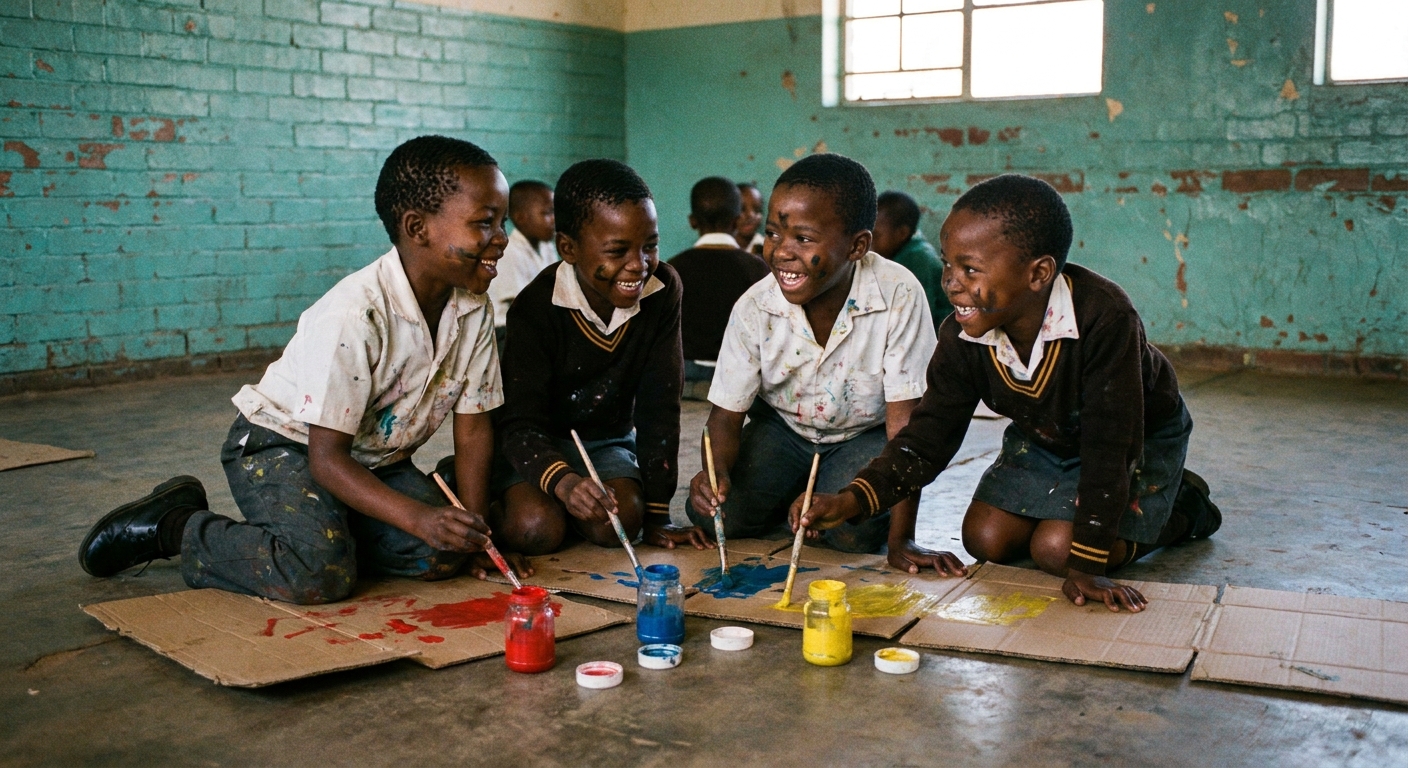
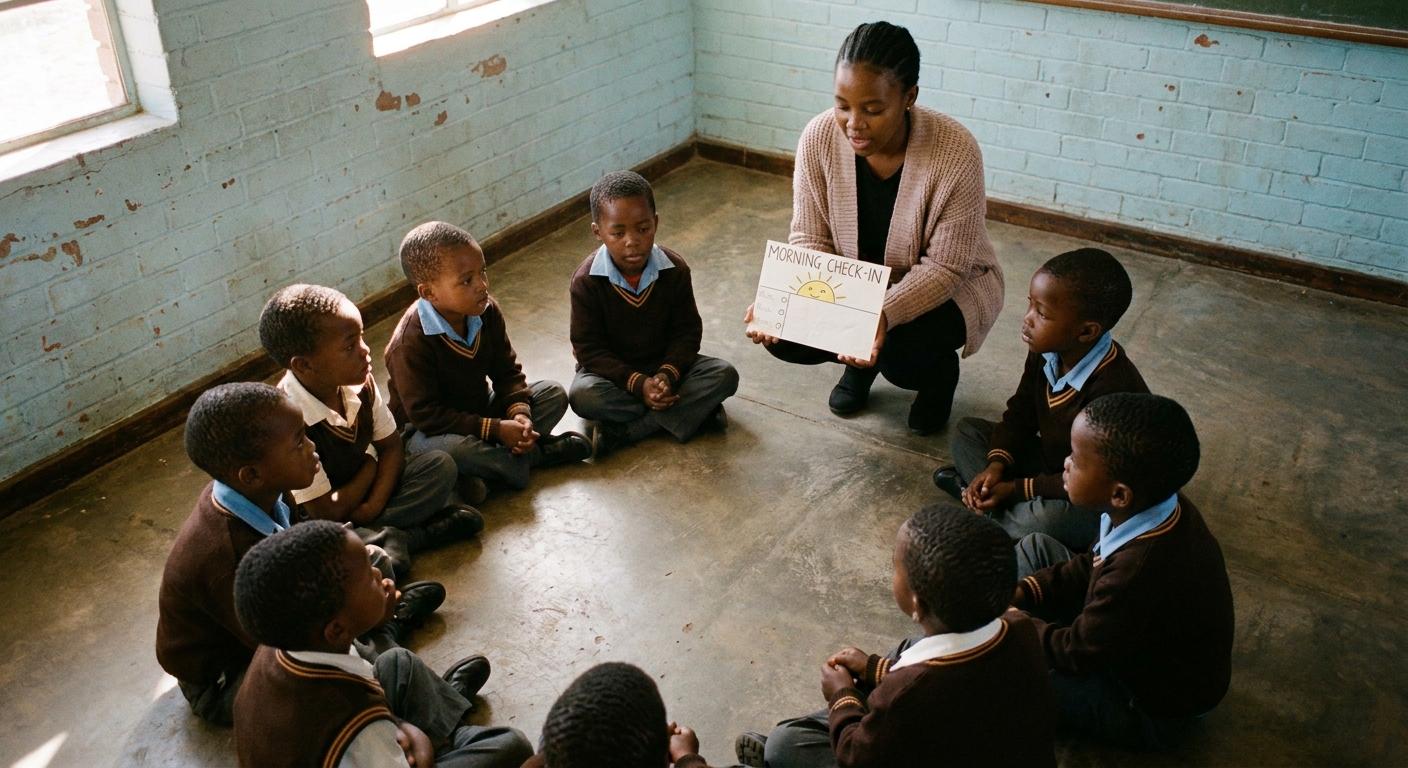
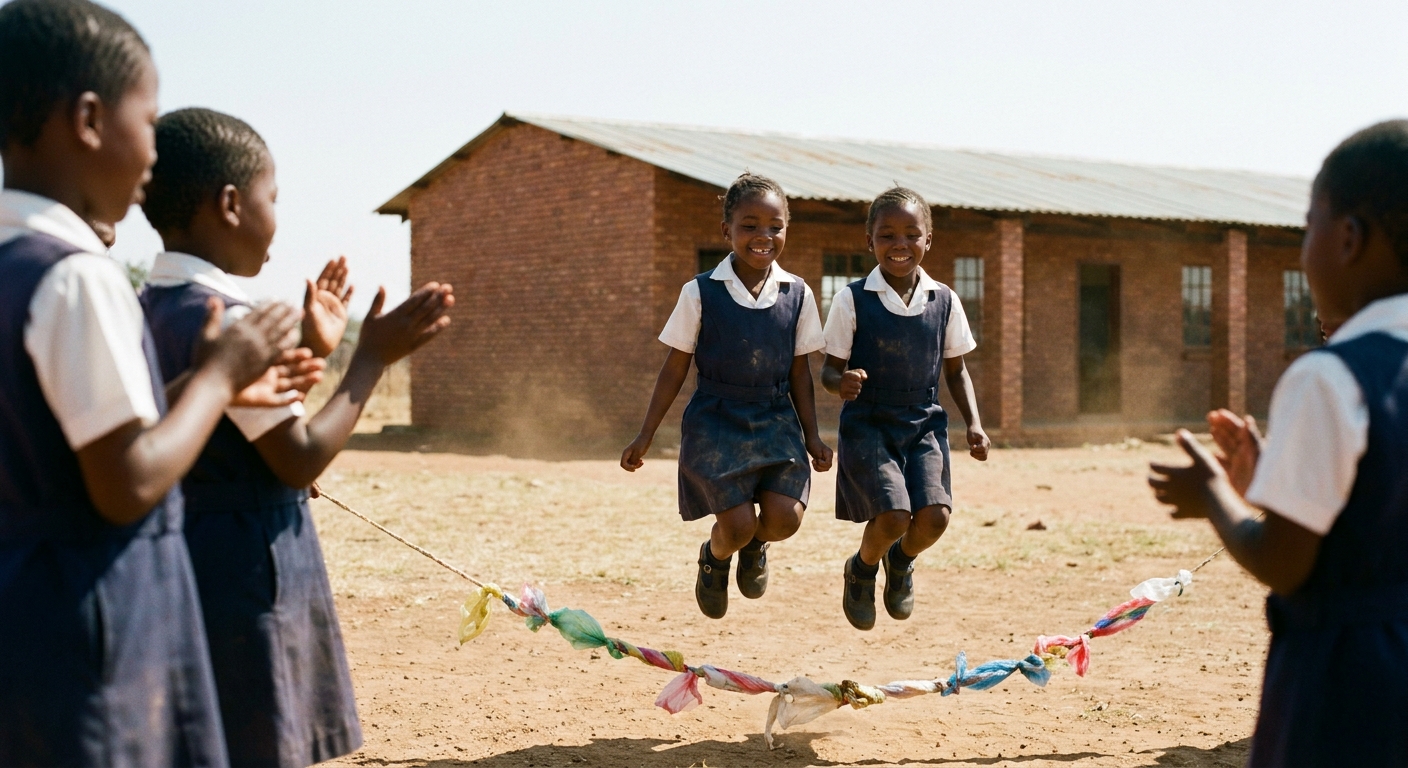
GoalA whole child: body, feelings, art, games. Not a softer subject — a quietly central one.
MethodPersonal & Social Wellbeing + PE + Creative Arts, taught by class teacher with weekly art & music slots.
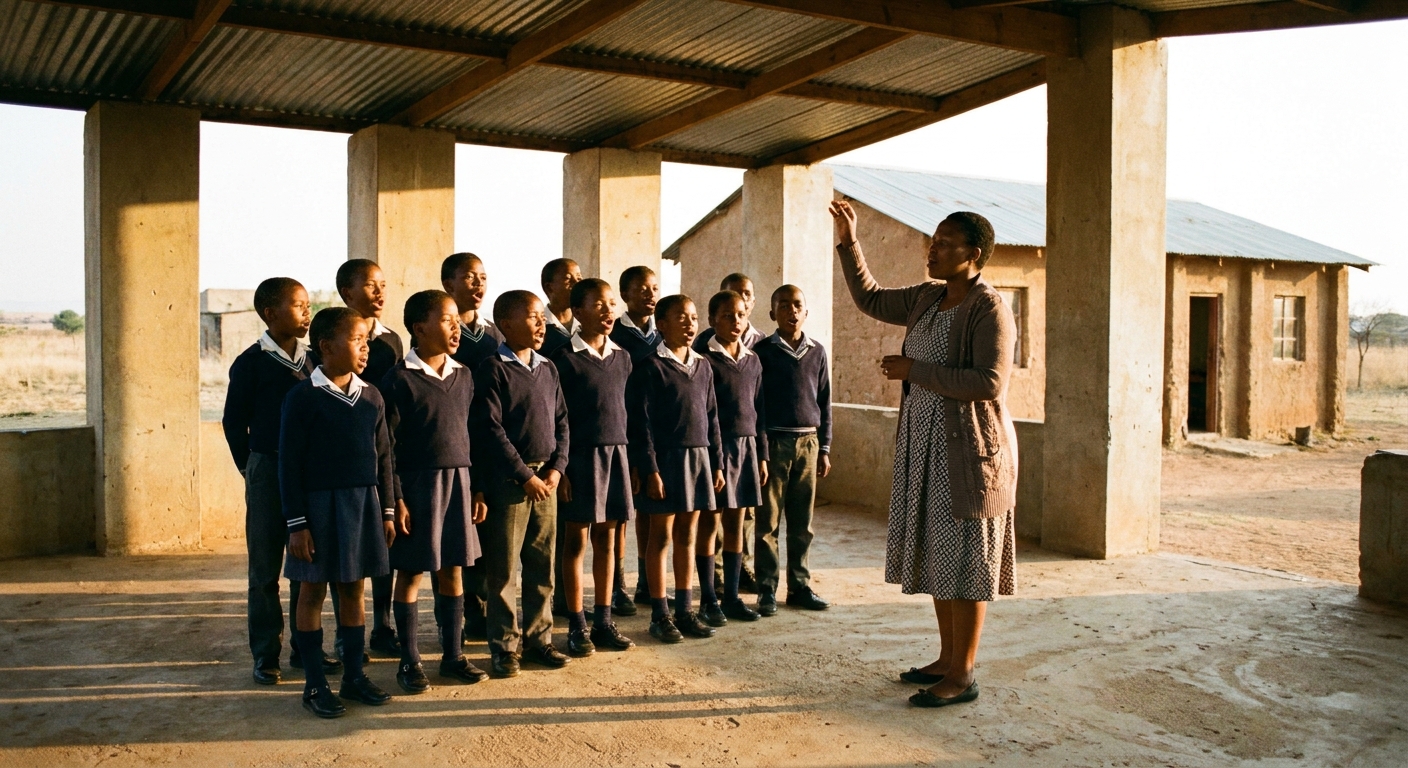
Project"Manana Choir" — every learner sings, every term, in two languages.
AssessmentObservation rubrics + portfolio. Never a "fail" mark.
Technology & Innovation
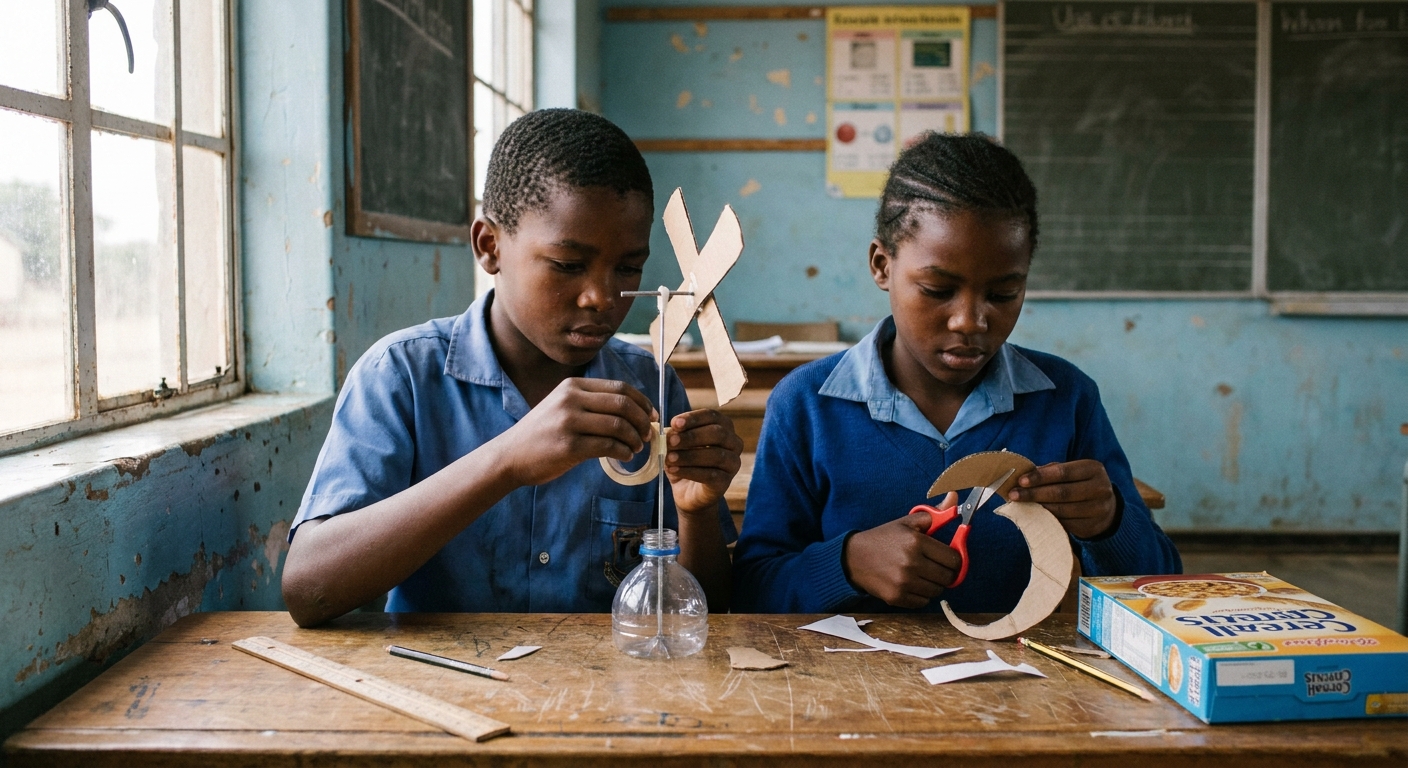
GoalConfidence to design, build and test — even when materials are scarce.
MethodInvestigate → design → make → evaluate. We use what we have: cardboard, wire, recycled wood.
Project"Wind on the Highveld" — Gr 7 design and prototype small wind catchers, judged by a parent panel.
AssessmentDesign portfolio + working prototype + a short reflection in writing.